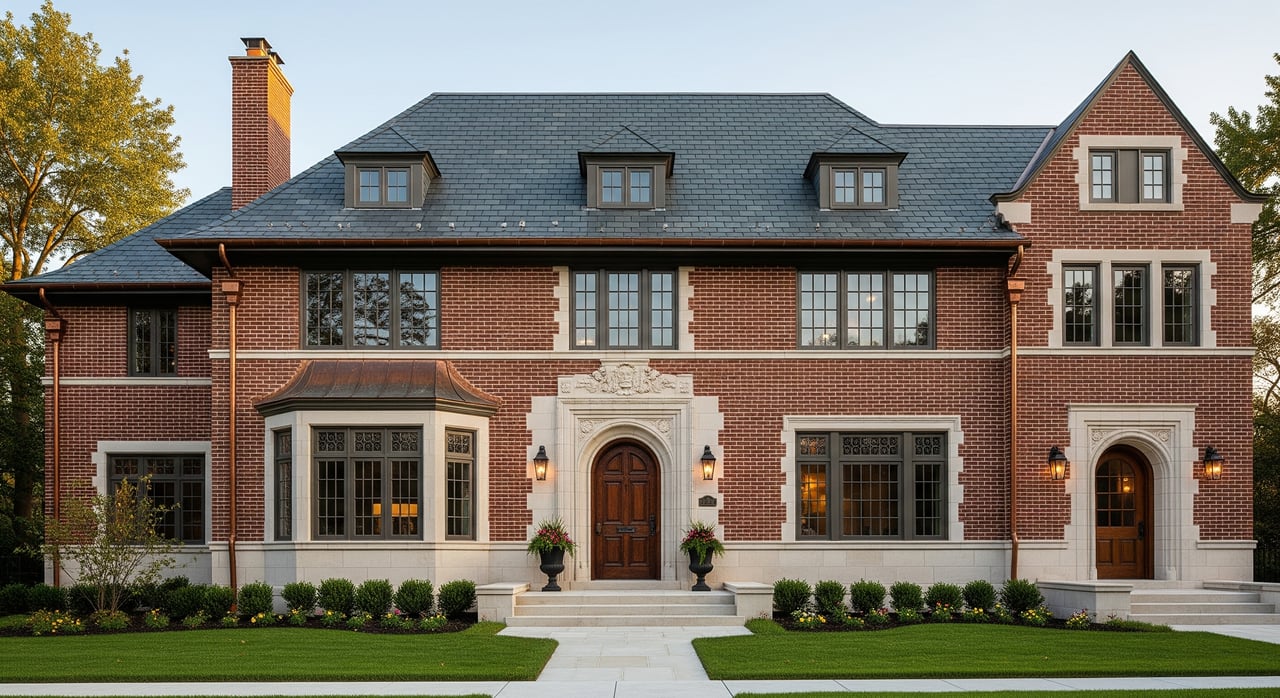
Owning a historic Hinsdale home is a gift, but renovations can feel like a maze of rules, reviews, and what-ifs. You want to preserve the character that drew you in while upgrading comfort, safety, and value. This guide shows you how to navigate local approvals, unlock incentives, plan your scope, and avoid costly delays. Let’s dive in.
Know what “historic” means in Hinsdale
Hinsdale’s historic homes are concentrated in Robbins Park and Downtown Hinsdale, where you’ll find styles from Queen Anne to Prairie School. The village recognizes historic properties through local programs and the National Register, but the exact designation determines how much control the village has over changes.
Local rules live in Title 14 of the Village Code, which outlines landmarking, the Historic Overlay District, and the Historic Preservation Commission (HPC). Start there to understand how your property status affects your project. Review the Village Code, Title 14 before you begin.
Understand approvals and timelines
Certificate of Appropriateness basics
If your home is a designated landmark or within the Robbins Park Historic District, many exterior changes require a Certificate of Appropriateness (CoA). The code details application requirements, review criteria, and hearing procedures. See the Village Code, Title 14 for what triggers a CoA.
2024 to 2025 process updates
Hinsdale added a preliminary design review step for many projects in Robbins Park and for landmarked properties. An ad hoc design review team issues recommendations within about 15 days, and certain denials move to the Village Board on a defined timeline. Expect added process time compared with non-historic projects. Learn more in the village update on new steps added to the preservation process.
Advisory vs. binding decisions
In some cases, the HPC’s decisions are advisory rather than binding. That means an HPC denial does not always stop a project or demolition unless the property’s specific status gives the village stronger control. The village discussion on preservation authority explains how this nuance can affect your plans.
Expect fees and added time
Recent changes increased certain demolition fees and formalized review timelines. Build both time and cost into your plan to avoid last-minute surprises. See the process update for context.
Use local incentives to save money
Hinsdale’s Historic Overlay District can make renovation more attractive than teardown. If your home is on the Historically Significant Structures list, you may be eligible for incentives such as:
- Permit and application fee waivers
- Expedited processing
- Alternative bulk or zoning relief to accommodate sympathetic additions
- Matching grants (commonly 50 percent up to $10,000)
- A rebate of the village share of property taxes for qualifying exterior work
These programs require an application and public review. See the overview of overlay district incentives to evaluate your options.
Plan your renovation right
Start with early outreach
Contact the Village’s Community Development/Building Department and the HPC before you finalize scope or start demo. For Robbins Park and landmarked properties, preliminary design review may be required. Early alignment reduces rework.
Assemble the right team
Hire a preservation-minded architect, a structural engineer, and a general contractor with historic rehab experience. If your home predates 1978, confirm your contractor is EPA RRP certified for lead-safe work practices.
Protect character features
Approvals and incentives often hinge on keeping character-defining elements. The Secretary of the Interior’s Standards favor repair over replacement, sensitive additions, and matching profiles on primary elevations. Review the NPS Rehabilitation Standards and ask the HPC to weigh in early on windows, trim, masonry, and additions.
Plan for hazards and surprises
Older homes can hide lead paint, asbestos, framing quirks, and drainage issues. Include a 10 to 25 percent contingency and schedule time for abatement and structural fixes. For lead safety requirements, review the EPA Renovation, Repair and Painting Rule.
Step-by-step roadmap
- Confirm historic status
- Check IL SHPO’s database for listings or eligibility using HARGIS. Pull photos and history from the Hinsdale Historical Society to guide design.
- Talk to the Village first
- Ask Community Development for current CoA checklists, meeting dates, and expected timelines. Note if your project needs preliminary design review.
- Build your team
- Preservation architect, structural engineer, and RRP-certified contractor. If you will pursue tax credits, add a preservation consultant.
- Document existing conditions
- Photograph exteriors and interiors, note materials and details, and sketch current floor plans. Good documentation supports smoother reviews.
- Align your scope with the Standards
- Prioritize repair; if replacement is necessary, match materials, profiles, and patterns on primary facades. Place additions at the rear or in a clearly compatible but differentiated way.
- Budget for review cycles
- Plan for design review, HPC hearings, and possible Village Board consideration. Submit early to keep your schedule on track.
What about tax credits?
State and federal historic tax credits are powerful, but they generally apply to income-producing properties, not owner-occupied single-family homes. The Illinois program offers a 25 percent state credit up to $3 million for qualified rehabilitation of certified historic, income-producing buildings. See the Illinois Historic Preservation Tax Credit for eligibility and timing. The federal program provides a 20 percent credit for qualified rehabilitation of certified historic, income-producing buildings. Learn more from the IRS Rehabilitation Credit overview. If you do qualify, start applications before work begins.
Renovating a historic Hinsdale home does not have to mean headaches. With the right prep, a clear path through reviews, and smart design choices, you can protect your home’s character and add modern function with confidence. If you want local guidance on what adds value before you renovate or sell, connect with Tim Schiller for a conversation.
FAQs
What makes a home “historic” in Hinsdale?
- Hinsdale recognizes properties through local programs and the National Register; the exact designation determines whether changes require review and how much control the village has over alterations.
Do I need a Certificate of Appropriateness for exterior changes in Robbins Park?
- If your home is a landmark or within Robbins Park, many exterior changes typically require a CoA; check current village requirements and plan a preliminary design review when applicable.
How long do Hinsdale preservation reviews usually take?
- Timelines vary, but plan for a preliminary meeting, HPC hearing, and potential Village Board consideration; design review recommendations are often issued within about 15 days.
What local incentives can help my Hinsdale renovation budget?
- Depending on eligibility, you may access fee waivers, expedited processing, zoning relief, matching grants, and a rebate of the village portion of property taxes for qualifying exterior work.
Can the Historic Preservation Commission stop a teardown in Hinsdale?
- Not always; in many cases the HPC’s role is advisory, and final authority depends on a property’s specific designation and the village code.
Do lead paint rules apply to my pre-1978 Hinsdale home?
- Yes; contractors disturbing paint in pre-1978 housing must be EPA RRP certified and follow lead-safe work practices to protect health and comply with regulations.