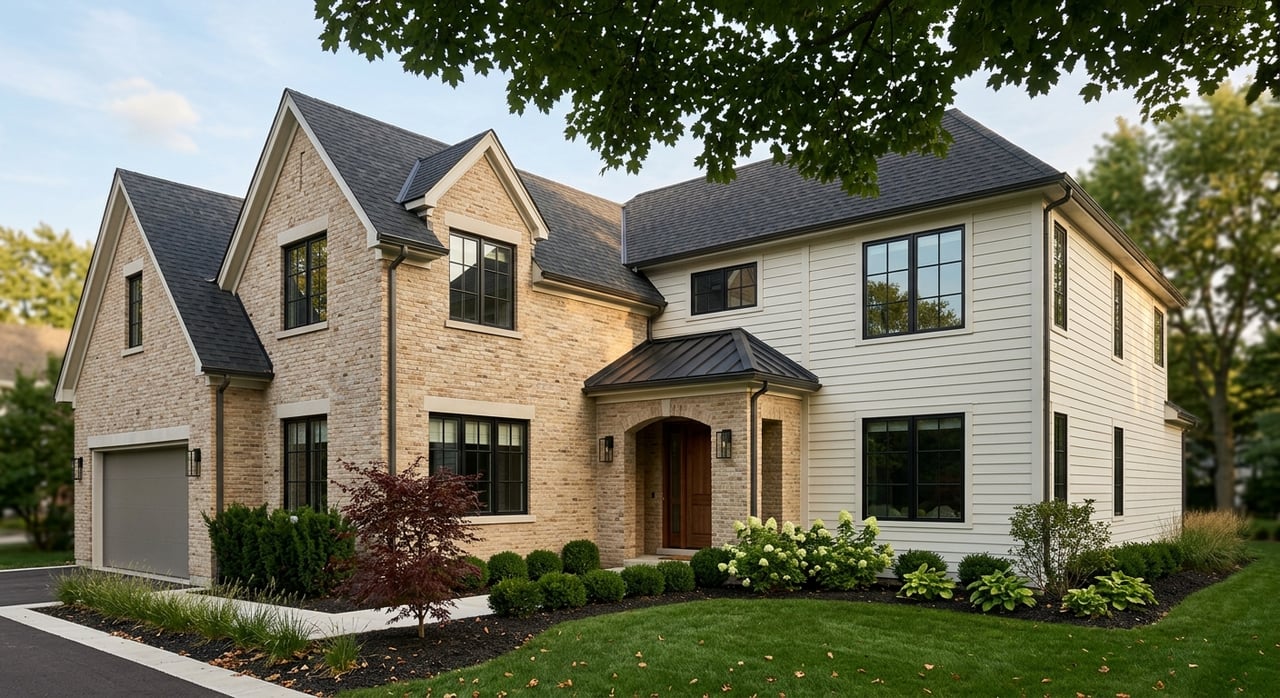
Trying to choose between a brand-new home and an older one in Glen Ellyn? It is a smart question, especially in a village where charm, redevelopment, and long-term livability all shape the housing market. If you are weighing sleek finishes against original character, this guide will help you compare what really matters so you can make a confident move in Glen Ellyn. Let’s dive in.
Why This Choice Looks Different in Glen Ellyn
Glen Ellyn is not a market filled with large new subdivisions on the edge of town. According to the village’s 2023 Comprehensive Plan, Glen Ellyn is largely built out, so future housing growth is expected to come mostly from redevelopment, reinvestment, and updates within established areas.
That means new construction in Glen Ellyn is often infill or replacement construction, not expansion into entirely new neighborhoods. It also means many buyers are comparing a newer home on an established block with a vintage property that may offer more architectural detail and long-standing neighborhood character.
The local housing mix supports that reality. A CMAP snapshot of Glen Ellyn shows that the village is mostly owner-occupied and mostly detached single-family housing, with a median year built of 1972. Only 4.6% of homes were built in 2010 or later, while 16.4% were built before 1940.
What Counts as New Construction
In Glen Ellyn, new construction usually means a newly built home on an existing lot, a teardown replacement, or a redevelopment project. Because the village is established, new homes typically need to fit into existing streetscapes rather than stand apart from them.
The village’s zoning code and design review framework help guide that process. For some projects, especially in downtown areas or certain attached-housing developments, exterior design and materials may be reviewed for compatibility with the surrounding area and village identity.
In historic areas, Glen Ellyn’s preservation guidelines say new construction should reflect the scale, setbacks, height, roof forms, materials, and rhythm of nearby homes. The goal is not exact historic imitation, but a newer home that still feels appropriate for the block.
What Makes Vintage Homes Appealing
Older homes are a major part of Glen Ellyn’s identity. The village’s Historic Preservation resources describe a character shaped by varied architectural styles, common setbacks, front porches, windows facing the street, rear garages, and mature landscaping.
That mix can be a big draw if you want a home with personality and a sense of place. In many cases, vintage homes feel tied to the rhythm of the street in a way that buyers notice right away, even if the house needs updates behind the scenes.
The same local preservation materials also show that Glen Ellyn places real value on renovation and historic identity. That matters if you are drawn to older homes because you may be buying into not just a property, but also a broader local preference for preserving character where possible.
New Construction Pros
If convenience and efficiency are high on your list, a newer home may check more boxes.
Better energy performance
One of the clearest advantages of a new build is efficiency. The U.S. Department of Energy says insulation is more cost-effective to install during construction, and ENERGY STAR certified homes are at least 10% more energy efficient than code-built homes and average about 20% better.
That can translate into lower utility costs, more even indoor temperatures, and less immediate upgrade planning. If comfort matters to you, newer construction often has an edge here.
Less immediate maintenance
A newly built home starts under current code and permit requirements. Glen Ellyn’s Building Division oversees permits and inspections for code compliance, which gives buyers a framework for verifying how the home was built and approved.
That does not mean every new home is the same, but it often means you are less likely to face major system replacements right after move-in. For many buyers, that peace of mind is a meaningful benefit.
Modern layouts
While every property is different, newer homes often reflect current preferences for open gathering areas, larger kitchens, flexible work-from-home space, and primary suites with more storage. If you want a move-in-ready floor plan without planning immediate renovations, new construction can be attractive.
Vintage Home Pros
A vintage home can offer benefits that go beyond appearance.
Strong neighborhood fit
Older homes often blend naturally into Glen Ellyn’s established streetscapes. Features like porches, mature trees, and consistent setbacks can create a setting that feels cohesive and timeless.
If neighborhood feel is a big part of your decision, a vintage home may deliver that right away. In Glen Ellyn, that local fit can be a practical consideration, not just an emotional one.
Distinctive architecture
Older homes often bring details that are hard to replicate, from rooflines and millwork to window placement and front-entry design. If you value uniqueness, a vintage property may give you something that feels less standardized.
That can be especially appealing in a village where architectural variety is part of the charm. You may find that older homes offer a visual identity that newer homes try to complement rather than replace.
Opportunity to improve over time
If you are comfortable with updates, a vintage home can give you room to personalize the property gradually. Some buyers prefer this path because they can prioritize improvements based on budget, timing, and long-term plans.
That matters in Glen Ellyn, where an SB Friedman housing assessment identified demand for housing that supports downsizing, aging in place, accessibility, and entry-level ownership. In other words, practical livability matters here, and some buyers see older homes as an opportunity to create that over time.
Where Vintage Homes Need More Due Diligence
Character is appealing, but older homes usually require a closer look.
Insulation and air sealing
The Department of Energy notes that many older homes have less insulation than homes built today. That can affect comfort and utility costs, especially during cold winters and hot summers.
If you are considering a vintage home, ask about insulation levels, air sealing, and past energy improvements. These details can make a big difference in how the home feels day to day.
Windows and efficiency
DOE says heating and cooling losses through windows account for 25% to 30% of residential energy use. That does not automatically mean old windows need full replacement, though. If existing windows are in good condition, improving efficiency may be more cost-effective than replacing them.
This is one area where your inspection and follow-up conversations matter. A home may look beautiful from the curb and still need thoughtful upgrades for comfort.
Systems and maintenance history
With older homes, the story often comes down to what has been updated and what has not. Roof age, mechanical systems, insulation, and prior renovation quality can vary a lot from one property to the next.
That is why a vintage home should be judged on condition and maintenance history, not just age. Two homes built in the same decade can offer very different ownership experiences.
How to Compare the Two
If you are choosing between new construction and a vintage home in Glen Ellyn, focus on how each option fits your lifestyle, budget, and timeline.
Compare move-in readiness
Ask yourself how much work you want to take on in the first year. A newer home may offer a simpler start, while an older home may ask for updates sooner, even if the location and character are strong.
Compare layout, not just age
A home’s floor plan matters more than the year it was built. CMAP reports a median of 6.9 rooms in Glen Ellyn homes, and 31.7% have four bedrooms, which means many homes are already sized for everyday living even if the layout feels more segmented than newer construction.
Compare long-term livability
Think about what you need not just today, but several years from now. If accessibility, first-floor living, lower maintenance, or aging in place are part of your goals, weigh those needs carefully against both the home’s current condition and the cost of future changes.
Compare neighborhood context
In Glen Ellyn, curb appeal is not just about the house itself. It is also about how the home fits the block, streetscape, and surrounding architecture.
New construction can work very well here, but local standards generally favor compatibility over contrast. Vintage homes may have a natural advantage on that front, while a good new build should feel well integrated into its setting.
Questions to Ask Before You Make an Offer
Whether you are buying new or vintage, a few questions can help you avoid surprises.
If the home is new
- What permits were pulled for the project?
- What inspections were completed?
- What builder warranties transfer to you?
- Were any design-review conditions attached to the build?
- Which finishes and upgrades are actually included?
If the home is vintage
- Which systems are original, and which have been replaced?
- How much insulation is present?
- When were the windows and roof last updated?
- Have any exterior changes been subject to local preservation or design-review rules?
- What deferred maintenance should you expect?
For either home type
- Does this home fit your maintenance budget?
- Does it match your move-in timeline?
- Will it support your long-term plan for staying in Glen Ellyn?
Which Option Is Better for You?
There is no universal winner in Glen Ellyn. A new home may give you better efficiency, current systems, and fewer immediate projects. A vintage home may give you stronger architectural character, a more established streetscape, and the chance to tailor improvements over time.
In this market, the smartest choice is usually the one that balances turn-key comfort, neighborhood fit, and realistic maintenance expectations. Glen Ellyn is a village where both home types can make sense, but the right answer depends on how you want to live and what level of work you are ready to take on.
If you want help comparing homes, understanding local market context, or deciding which type of property fits your goals in Glen Ellyn, connect with Tim Schiller. You will get practical guidance grounded in local experience so you can move forward with confidence.
FAQs
What is considered new construction in Glen Ellyn?
- In Glen Ellyn, new construction usually means infill homes, teardown replacements, or redevelopment projects on existing lots rather than large new subdivisions.
Are vintage homes in Glen Ellyn more likely to need updates?
- Yes, older homes may need closer review of insulation, windows, roofing, mechanical systems, and overall maintenance history before you buy.
Do new homes in Glen Ellyn have to match the neighborhood?
- In many cases, yes. Local zoning and design-review standards encourage new construction to fit the scale, setbacks, materials, and character of the surrounding area.
Which is more energy efficient in Glen Ellyn: new construction or a vintage home?
- New construction often has the advantage because it is typically built to current codes and may include better insulation and other efficiency features.
Is Glen Ellyn mostly newer homes or older homes?
- Glen Ellyn’s housing stock is mostly established, with a median year built of 1972, and only a small share of homes built in 2010 or later.
How should you compare new and old homes in Glen Ellyn?
- Focus on layout, condition, energy performance, neighborhood fit, maintenance costs, and how well the property supports your long-term plans.