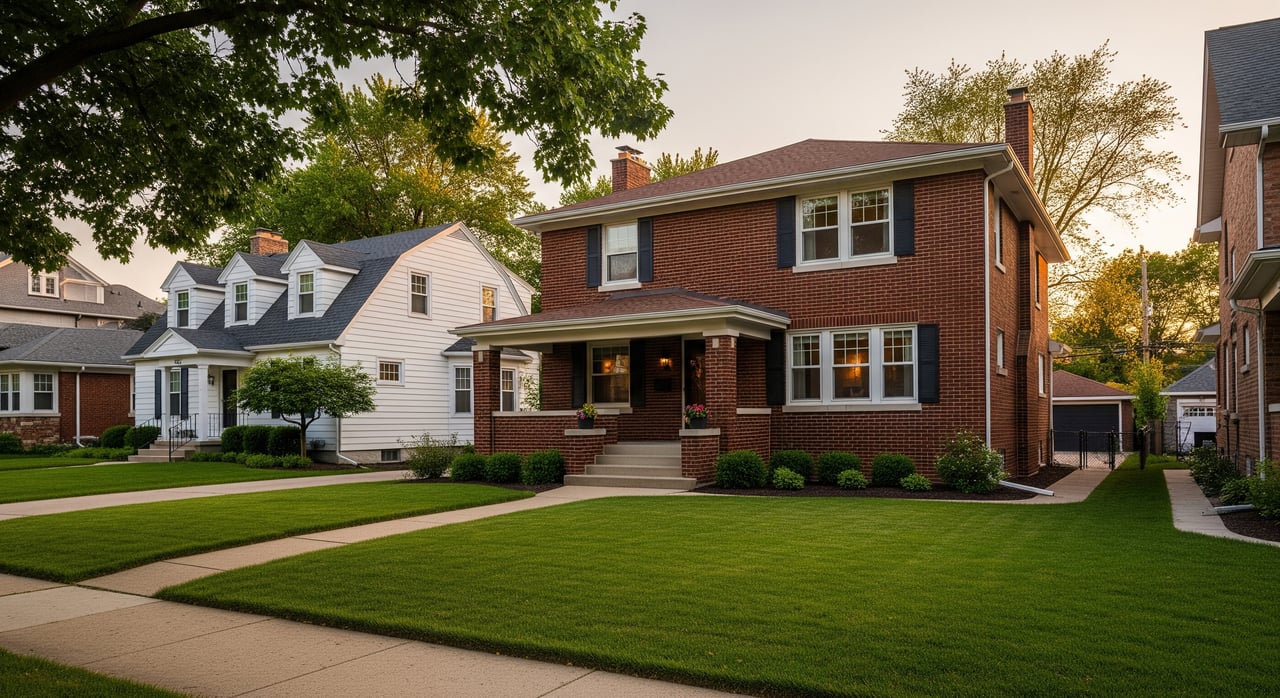
Are you trying to tell a Lombard bungalow from a Cape Cod or a split-level at a glance? You are not alone. Many buyers and sellers in DuPage County balance charm, layout, and lot size when deciding what fits their life and budget. In this guide, you will learn how to spot Lombard’s most common home styles, what their floor plans mean for daily living, and smart ways to position a home for sale. Let’s dive in.
Lombard housing at a glance
Lombard’s core neighborhoods near downtown and Lilacia Park grew in the early 1900s, then again during the postwar suburban boom. That is why you see bungalows and early Cape Cods on smaller lots closer to town, and more ranches and split-levels in mid-century subdivisions. In recent years, some older homes have been replaced with larger new builds on individual lots.
When you compare homes in Lombard, you often weigh proximity to the Metra and schools, lot and yard size, and whether the layout has been opened up or preserved in its original rooms. Condition, bedroom and bath count, and mechanical updates also shape value.
Bungalows: classic Lombard character
How to spot a bungalow
- Low-pitched roof and wide eaves, sometimes with exposed rafters or brackets on Craftsman variants.
- A prominent front porch under the main roofline.
- One to one-and-a-half stories with a modest footprint.
Typical era in Lombard: 1910s to 1930s, especially near downtown.
Layout and livability
Expect main living spaces on the first floor, with compact rooms and a cozy dining area. Some bungalows include one or more bedrooms on the main level and a small second floor. Basements are common and may be unfinished or partially finished.
Buyer pros and watch-outs
You get period details like built-ins and original trim, plus the convenience of main-level living. Rooms and bathrooms are usually smaller than in newer homes. Plan for possible updates to kitchens, baths, insulation, and electrical systems.
Seller positioning tips
Highlight original woodwork, built-ins, and the front porch as an outdoor room. Upgraded kitchens and baths that respect the floor plan add appeal. If close to downtown or Lilacia Park, note the convenience.
Cape Cods: cozy and flexible
How to spot a Cape Cod
- Steep gabled roof with dormers on many examples.
- Often a symmetrical front with a centered entry.
- Simple rectangular shape, one to one-and-a-half stories.
Typical era in Lombard: 1920s to 1950s, with later remodels that keep the Cape shape.
Layout and livability
First floors typically hold living, dining, kitchen, and sometimes a bedroom. Upper levels tuck bedrooms under the roof with dormers that add light and space. Full or partial basements are common.
Buyer pros and watch-outs
Dormered bedrooms feel charming but can have limited headroom. Original kitchens are often small and may need reconfiguring. Confirm proper egress and insulation on the upper level.
Seller positioning tips
Show how dormers create usable space and highlight any added bathrooms or first-floor bedroom suites. Updated kitchens and baths can move this style to the top of a buyer’s list.
Ranches: single-level convenience
How to spot a ranch
- Single-story profile with a long, horizontal look.
- Low-pitched roof and often an attached garage.
- Wider lots in mid-century areas, with easy yard access.
Typical era in Lombard: 1950s to 1970s subdivisions, with some later infill.
Layout and livability
Ranches usually offer semi-open or open plans, with living, dining, and kitchen connected on a single level. Bedrooms are often grouped together. Basements may be present and are sometimes unfinished.
Buyer pros and watch-outs
Single-level living supports aging in place and day-to-day convenience. Kitchens and baths may need modernization. If you want more space, consider a rear addition or finishing the basement, subject to zoning.
Seller positioning tips
Emphasize easy living on one level and indoor-outdoor flow to the yard or patio. Updated kitchens and baths and any finished basement space are strong selling points.
Split-levels: zoned living
How to spot a split-level
- Staggered floors connected by short stairs from a central landing.
- Distinct rooflines with multiple planes.
- Entries that quickly lead up to bedrooms and down to a family room or lower level.
Typical era in Lombard: 1950s to 1970s.
Layout and livability
The main level holds living and dining, with short stairs up to bedrooms and down to a family or recreation room. Lower levels often have natural light yet may have slightly lower ceilings. Half baths and garage access are common.
Buyer pros and watch-outs
You get clear separation between quiet and active zones. Frequent stairs can be a concern for mobility. Confirm lower-level ceiling heights and finishes.
Seller positioning tips
Showcase flexible spaces for an office, playroom, or media area. If you upgraded mechanicals, call that out. Make the flow between levels clear in photos and floor plans.
New infill and rebuilds: modern space
How to spot newer construction
- Two or more stories with larger square footage and higher ceilings.
- Open-concept main floors, island kitchens, and attached two-car garages.
- Contemporary materials like fiber cement and mixed exteriors.
Typical era in Lombard: 2000s to today, often where older homes were replaced.
Layout and livability
Expect modern kitchens, larger bedroom counts, finished basements, and energy-efficient systems. Newer builds can maximize the lot envelope, which may trade yard space for interior square footage.
Buyer pros and watch-outs
Move-in readiness and current systems are the draw. Some buyers prefer historic character or larger yards. Consider how the home’s scale fits the block.
Seller positioning tips
Emphasize permits and compliance, energy features, and the benefits of the open plan and primary suite. If you are selling an older home nearby, note addition potential where zoning allows.
What drives value in Lombard
Layout and flow
Open floor plans typically command a premium with today’s buyers. Homes with at least two full baths and a private primary suite tend to see stronger pricing. Remember that above-grade living area is what most appraisers count as official square footage, while basements add usable space but are usually not included in GLA.
Lot and outdoor space
Larger, usable rear yards and private orientations increase livability. Narrow or shallow lots can limit addition options and may affect price compared with similar homes on larger parcels. Always confirm setbacks and floor area rules with the Village of Lombard before planning changes.
Era and systems
Older and postwar homes may have aging HVAC, water heaters, or electrical panels. Buyers often account for system age when making offers. Original hardwoods and trim add appeal, but be mindful of potential lead paint in pre-1978 homes and other materials that might require disclosure.
Remodels and additions
Kitchen and bath remodels can cost tens of thousands of dollars, and they often create strong buyer interest when done well. Adding square footage may be limited by foundations and zoning. Review recent local permits and talk with qualified contractors for accurate timelines and costs.
Buyer checklist: compare with confidence
- Ask for a floor plan and measure key clearances like stairs and hallways.
- Confirm what counts in the home’s square footage and what is finished but below grade.
- Check ages of HVAC, roof, water heater, and electrical service.
- Review lot depth, orientation, and yard usability for your needs.
- Consider long-term mobility. Ranches and many bungalows support single-level living.
Seller checklist: position your style
- Preserve and showcase authentic details like built-ins and original trim.
- Use photos and floor plans to show how the kitchen connects to living and outdoor areas.
- Describe style and layout clearly, including bed and bath counts and any finished lower level.
- Share permit history for major work and upgrades.
- If the lot suits an addition, note dimensions and zoning designation for buyer due diligence.
Listing terms decoded
- Bungalow: One or one-and-a-half story with a prominent porch.
- Craftsman: A detailing subtype of bungalow with exposed rafters and tapered columns.
- Cape Cod or 1.5-story: Steep roof, dormers, upstairs rooms under the eaves.
- Ranch or single story: All main living on one level, often with an attached garage.
- Split-level: Staggered floors connected by short stair runs.
- Open floor plan: Fewer walls between kitchen, dining, and living.
- Finished basement or rec room: Usable lower level. Verify ceiling height and egress.
- GLA or above-grade sq ft: Official living area measured above ground.
- Lot size: Square footage of the parcel, important for additions.
- Permits: Proof that work was inspected and approved.
- Original trim or hardwood under carpet: Character features buyers value.
- Teardown potential or R-zoning: Signals interest in new construction. Confirm zoning.
Photo tips for stronger listings
- Exterior: full front view, plus a side shot to show roof massing.
- Porch and entry: columns, railings, and eaves details.
- Roof and dormers: angles and condition, especially on Capes.
- Main level flow: wide shots that connect kitchen, dining, and living.
- Bedrooms: show headroom in dormered spaces.
- Lower levels: family or rec rooms, plus access to yard or patio.
- Systems: clear, labeled photos of mechanicals if recent.
- Yard: usable outdoor space, garage, driveway, and tree canopy.
Next steps in Lombard
Whether you love the charm of a bungalow, the flexibility of a Cape Cod, the simplicity of a ranch, or the space of a newer build, the right fit comes from matching layout, systems, and lot to your lifestyle. Clear photos, accurate floor plans, and honest condition details help buyers and sellers move forward with confidence. If you want a local plan for buying or prepping a sale in Lombard, let’s talk.
Ready to compare options or prep your home for market? Connect with Tim Schiller for a friendly consult and a clear next step.
FAQs
What defines a Lombard bungalow compared with other styles?
- Look for a low-pitched roof, wide eaves, and a front porch, often from the 1910s to 1930s, with main living on the first floor and period details like built-ins.
Do finished basements count in Lombard home square footage?
- Appraisers typically count above-grade living area for official square footage, while finished basements add usable space but are usually not included in GLA.
Which Lombard home style suits aging in place?
- Ranch homes offer single-level living, and many bungalows also support minimal stair use, though every home’s layout and entry access should be reviewed.
How do lot size and zoning affect additions in Lombard?
- Setbacks, floor area rules, and parcel size determine addition potential, so check with the Village of Lombard Building and Zoning Department before planning.
What updates most improve resale across Lombard styles?
- Well-executed kitchen and bath remodels, added bathrooms, and documented mechanical upgrades tend to drive interest and support stronger pricing.
Are split-level homes darker than other styles?
- Split-level lower levels often have natural light but may have slightly lower ceiling heights, so lighting and finish choices can make a clear difference.