If you think Villa Park is just a pass-through suburb, you may be missing its most interesting side. This compact DuPage County village packs rail history, trail access, preserved districts, and character-rich housing into about four square miles. If you want to understand what gives Villa Park its distinct feel, these are the corners worth knowing. Let’s dive in.
Why Villa Park Feels Different
Villa Park sits about 19 miles west of Chicago’s Loop and has a footprint of roughly four square miles, yet it offers more texture than many larger suburbs. Village materials describe it as the Garden Village, with direct access to downtown Chicago and nearby suburbs.
Its story is tied closely to transportation and industry. The village grew from the 1908 Villa Park and 1910 Ardmore subdivisions, then formally became Villa Park in 1917. The Aurora, Elgin and Chicago Railway and the Wander Company’s Ovaltine plant helped shape that early growth.
What stands out today is how that history still shows up in everyday places. Rather than one long, continuous downtown, Villa Park feels like a series of connected character districts with their own look, rhythm, and local landmarks.
Old Town Villa Avenue
If you are visiting Villa Park for the first time, Old Town Villa Avenue is one of the best places to begin. This historic district dates to 1908 and gives you a clear sense of the village’s early identity and its modern reuse.
The Villa Historic Landmark District includes the former Ovaltine factory buildings and chimney, Villa Avenue Station, Great Western Depot, Cortesi Park, the Villa Park Bank, the Community Recreation Center, and other commercial buildings. The district extends to St. Charles Road and mixes preserved architecture with active local businesses.
Today, the corridor includes a brewery, a century-old garden shop, restaurants and bars, plus a shopping center with an independently owned coffee house, bakery, pottery studio, fitness gym, used bookstore, hardware store, meat market and deli, and a bank. That variety helps the area feel active without losing its small-scale character.
The Ovaltine Legacy Lives On
One of Villa Park’s most recognizable pieces of history is the former Ovaltine factory. If you have ever wondered whether it is still there, the answer is yes, though in a new form.
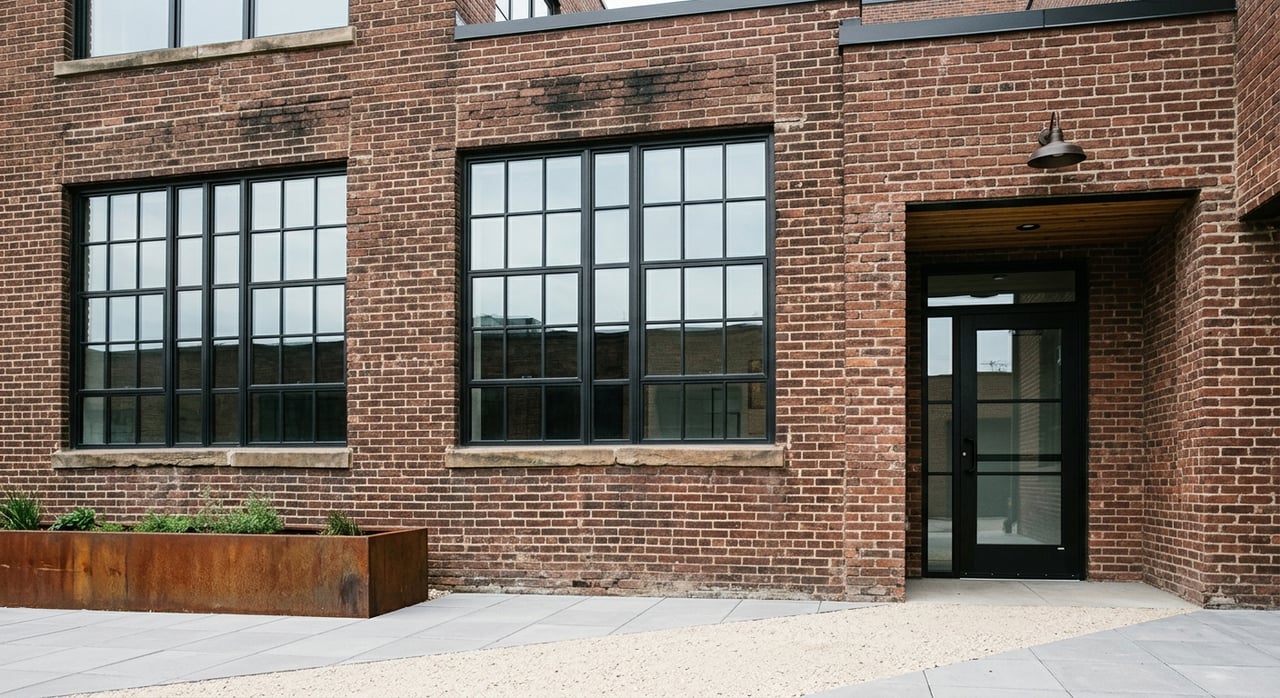
Village materials note that the abandoned factory was redeveloped into the Ovaltine Court Apartment complex with 323 units. The project blends contemporary style with historic charm, which makes it a strong example of how Villa Park has updated a former industrial corridor without erasing its past.
That adaptive reuse also gives this stretch of town a look you do not find everywhere in the western suburbs. It is one reason the area feels more memorable than a typical retail strip.
A Downtown Feel, Villa Park Style
Villa Park describes this former industrial corridor as its downtown, and that description makes sense once you are there. You can walk between historic buildings, local businesses, gathering spaces, and preserved rail landmarks.
At the same time, the experience is still suburban rather than urban-dense. That is part of the appeal. You get a downtown-like pocket with breathing room, local landmarks, and a strong sense of place.
Ardmore And The Prairie Path
Another of Villa Park’s coolest corners sits near Ardmore and the Illinois Prairie Path. Established in 1910, the Ardmore Historic Landmark District offers a different kind of character, one shaped by small businesses, neighborhood services, and trail access.
Village materials describe the district as a cluster of beauty shops, barber shops, craft shops, attorneys, taverns, a library, and churches. It feels practical and rooted, with a neighborhood scale that reflects the village’s early layout.
This area also fronts the Illinois Prairie Path, which gives it a built-in connection to outdoor recreation and regional movement. For many people, that blend of everyday convenience and trail access is a big part of Villa Park’s appeal.
Rail History You Can Still See
Each of Villa Park’s historic business districts includes a restored former Chicago Aurora and Elgin station that is listed on the National Register of Historic Places. That detail matters because it gives both corridors a preserved rail-era feel.
Instead of looking like interchangeable commercial strips, these areas carry visible reminders of how the village developed. The result is a more layered streetscape and a stronger local identity.
Trails Tie It Together
Villa Park’s coolest corners are not only about buildings. They are also connected by trails that shape how people move through town and how different pockets relate to each other.
The Illinois Prairie Path is recognized as North America’s first successful rails-to-trails conversion, founded in 1963. Village materials describe the Prairie Path and Great Western Trail as the spine of DuPage County’s trail system, both following former railroad rights-of-way.
That matters in Villa Park because the trail network is not an afterthought. It is part of the community’s structure and part of what makes the village feel accessible, active, and visually distinct.
The Tri-Trail Connector
Villa Park recently strengthened those connections even more. The village says the Tri-Trail Connector Project was designed to link the Illinois Prairie Path, the Great Western Trail, and the Salt Creek Greenway Trail.
According to village updates, the project reached punch-list stage in late 2024, and a ribbon cutting was held at Rotary Park in October 2024. For residents and visitors, that means easier movement between key outdoor routes and a more connected trail experience.
Museum, Gazebo, And Gathering Spots
If you want a good pause point while exploring, the Villa Park Historical Society Museum is a smart stop. It is located in the historic 1929 Chicago, Aurora and Elgin electric train station at 220 S. Villa Ave., which adds another layer of rail history to the experience.
The museum notes that hikers and bikers can stop at outdoor benches and picnic tables under the pavilion. Nearby, the village also hosts summer concerts at Rugaard Gazebo and Cortesi Veterans Memorial Park next to the former Great Western Railway Depot.
These gathering spots help explain why Villa Park feels more personal than polished-over. The village’s history is not tucked away from daily life. It sits beside trails, parks, and community events.
Places That Give Villa Park Flavor
Part of what makes a district feel memorable is what gives people a reason to linger. In Villa Park, a few long-standing and destination-style businesses help do that.
More Brewing Company is located at 126 S. Villa Ave. in the Old Town Villa Avenue district. Simon’s, at 2 W. Roosevelt Rd., has operated in Villa Park since 1986. Along with the mix of coffee, bakery, retail, and service businesses in the historic corridors, these places add to the village’s everyday energy.
For buyers, that matters more than it may seem at first glance. Local business variety can shape how a place feels on a Saturday morning, after work, or during a casual walk through town.
Where Housing Character Shows Up
If you are house hunting in Villa Park, the most character-rich inventory is often found in the early subdivisions and blocks near the historic districts. That is where the village’s architecture is most varied and visually distinctive.
The Preservation Commission identifies 40 local landmark properties and a wide range of styles. Those include Prairie, Queen Anne, American four-square, Arts and Crafts, Craftsman, Bungalow, Sears catalog, Tudor, Spanish Revival, Dutch Colonial Revival, post-war ranches, and contemporary homes.
That mix gives Villa Park broad appeal for buyers who want something other than a one-note housing stock. You may find homes with historic detailing, practical layouts, or a blend of older character and later updates depending on the block.
A Notable Spot For Sears Homes
Villa Park also stands out for historic kit houses. The Historical Society identifies 11 authenticated Sears Catalog Homes in the village, and the Preservation Commission notes that kit-home deliveries came by rail to the Great Western siding near the former Ovaltine factory.
That connection between architecture and rail history is a good example of what makes Villa Park interesting. The village’s past is not abstract. It is visible in the homes, the street patterns, and the preserved transportation landmarks that still shape the community.
What This Means For Buyers And Sellers
For buyers, Villa Park offers something many suburbs work hard to create but cannot easily manufacture: authentic character. Its appeal comes from historic districts, adaptive reuse, trail access, and housing variety that developed over time.
For sellers, that character can be an important part of how your home is positioned in the market. Buyers are often looking not just at square footage, but at setting, streetscape, walkability to local spots, and the overall feel of the surrounding area.
In Villa Park, that means the story around your location matters. A home near Old Town Villa Avenue, the Prairie Path, or one of the village’s historic pockets may benefit from thoughtful marketing that highlights those real, place-based advantages clearly and accurately.
If you are thinking about buying or selling in Villa Park, understanding these pockets can help you make better decisions. To talk through where the best fit may be for your goals, connect with Tim Schiller.
FAQs
Is the Ovaltine factory still in Villa Park?
- Yes. The former Ovaltine factory was redeveloped into Ovaltine Court Apartments, a 323-unit complex that blends historic character with contemporary style.
Where should a first-time visitor start in Villa Park?
- A practical starting point is Old Town Villa Avenue, then the museum on Villa Avenue, followed by the Ardmore and Illinois Prairie Path corridor.
Does Villa Park have a real downtown area?
- Villa Park has a downtown-like feel in Old Town Villa Avenue, though the village overall feels more like a set of connected character districts than one dense urban-style downtown.
What is special about the Ardmore area in Villa Park?
- The Ardmore Historic Landmark District fronts the Illinois Prairie Path and includes a cluster of small businesses and neighborhood services in a preserved historic setting.
What trails connect through Villa Park?
- Villa Park is tied to the Illinois Prairie Path and the Great Western Trail, and its Tri-Trail Connector Project was designed to connect those routes with the Salt Creek Greenway Trail.
What kinds of homes can you find in Villa Park?
- Villa Park has a wide mix of housing styles, including Prairie, Queen Anne, Craftsman, Bungalow, Tudor, Dutch Colonial Revival, post-war ranches, contemporary homes, and authenticated Sears Catalog Homes.